Artificial Intelligence (AI) has become a big part of our everyday lives, making our gadgets smarter and more helpful. AI is changing how we interact with technology, from the phones we use to the wearables on our wrists and the devices in our homes. This article explores how these smart gadgets are reshaping our daily routines and what we can expect in the future. Listen to the blog on Spotify
Key Takeaways
AI enhances the functionality of smartphones, making communication easier and more personalized.
Wearable technology helps monitor health and fitness, providing insights that can lead to healthier lifestyles.
Smart home devices use AI to automate tasks, improve security, and increase energy efficiency.
AI-Driven Smartphones: Revolutionizing Communication
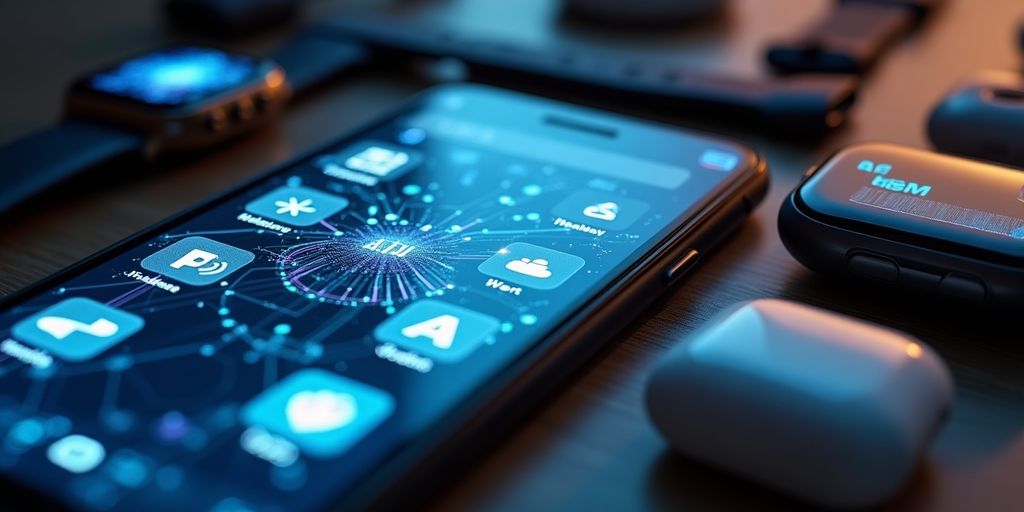
Smartphones have become an essential part of our lives, and AI is at the core of their evolution. These devices are not just for making calls or sending texts; they are now equipped with advanced features that enhance our daily communication.
Voice Assistants and Personalization
AI-powered voice assistants like Siri and Google Assistant have changed how we interact with our smartphones. They can understand our commands and provide personalized responses based on our preferences. This technology allows users to:
Set reminders and alarms
Ask questions and get instant answers
Control smart home devices with voice commands
Predictive Text and User Behavior
Predictive text is another feature that showcases AI's impact on smartphones. By analyzing our typing habits, AI can suggest words and phrases, making texting faster and easier. This feature learns from:
Previous messages
Commonly used phrases
User-specific language styles
Camera Enhancements with AI
The camera capabilities of smartphones have also improved significantly due to AI. With features like scene recognition and facial detection, users can take stunning photos without needing professional skills. AI helps in:
Optimizing image quality
Adjusting settings automatically
Enhancing low-light photography
Battery Optimization and Efficiency
AI plays a crucial role in managing battery life. By learning how we use our phones, AI can optimize power consumption, ensuring that our devices last longer throughout the day. This includes:
Adjusting screen brightness
Closing unused apps
Managing background processes
In summary, AI is transforming smartphones into smarter devices that cater to our needs, making communication more efficient and enjoyable. The journey of AI in mobile phones has just begun, and its potential is limitless.
Wearable Technology: Your Health Companion
Wearable technology is changing how we take care of our health. These devices help us monitor our well-being in real-time. They can track various health metrics and provide valuable insights to users.
Fitness Tracking and Health Monitoring
Wearable devices like fitness trackers and smartwatches are designed to keep an eye on our physical activity and health. They can:
Monitor heart rate and alert users to irregularities.
Track steps and calories burned throughout the day.
Provide sleep analysis to improve rest quality.
AI in Smartwatches
Smartwatches are becoming more advanced with AI. They can:
Analyze user data to offer personalized health tips.
Detect patterns in activity and suggest improvements.
Integrate with other health apps for a comprehensive view of health.
Personalized Health Insights
Wearable technology provides tailored insights based on individual data. For example:
Users can receive alerts about potential health issues, such as high blood pressure.
Devices can suggest workouts based on fitness levels and goals.
They can even remind users to take medications on time.
Future of Wearable Health Devices
The future looks bright for wearable health devices. Innovations may include:
More accurate sensors for monitoring vital signs.
Integration with telehealth services for remote consultations.
Advanced AI algorithms that predict health issues before they arise.
Wearable technology is not just about tracking; it’s about empowering users to take charge of their health. With wearables, patients have the ability to collect their own health data and report it in a digital format, eliminating the need for in-person appointments.
In conclusion, wearable technology is revolutionizing how we manage our health, making it easier and more efficient than ever before. As these devices continue to evolve, they will play an even bigger role in our daily lives.
Smart Home Innovations: Transforming Living Spaces
In today's world, integrating innovative technology into our living spaces revolutionizes how we interact with our homes, enhancing convenience and energy efficiency. Smart home devices are designed to make our lives easier and more efficient. Here are some key areas where AI is making a difference:
AI-Powered Home Assistants
Voice Control: Smart assistants like Amazon Alexa and Google Assistant allow you to control your home with just your voice.
Learning Preferences: These devices learn your habits over time, adjusting settings like lighting and temperature automatically.
Task Management: They can help manage your daily tasks, from setting reminders to controlling your smart appliances.
Smart Appliances and Energy Efficiency
Smart Refrigerators: These can track food expiration dates and suggest recipes based on what you have.
AI Vacuum Cleaners: Devices like Roomba clean your home efficiently by learning the layout and avoiding obstacles.
Energy Monitoring: Smart thermostats analyze your energy use, helping you save money and reduce waste.
Home Security and Surveillance
Smart Cameras: These can recognize faces and alert you to unusual activity around your home.
Advanced Alarm Systems: AI systems can predict potential threats, such as gas leaks or fires, by analyzing data patterns.
Remote Monitoring: You can check on your home from anywhere using your smartphone.
Voice-Controlled Home Automation
Convenience: Control lights, locks, and appliances with simple voice commands.
Integration: Many devices work together seamlessly, creating a fully automated home environment.
Customization: Set routines that fit your lifestyle, like dimming lights at bedtime or turning on the coffee maker in the morning.
Smart home technology is not just about convenience; it's about creating a more efficient and secure living environment.
With these innovations, our homes are becoming smarter, making everyday life easier and more enjoyable.
AI in Entertainment: A Personalized Experience
Content Recommendation Systems
AI is changing how we enjoy entertainment by making it more personal. Streaming services like Netflix and Spotify use AI to suggest content based on what you like. This means you can find new shows or music that fit your taste without searching for hours. Here are some ways AI helps:
Analyze your viewing habits.
Creates custom playlists.
Suggest new movies or series.
AI in Gaming Consoles
In gaming, AI is making experiences more exciting. Games now have smarter characters that can adapt to how you play. This makes the game feel more real and challenging. Some features include:
Intelligent non-playable characters (NPCs) that learn from your actions.
Dynamic environments that change based on your choices.
Enhanced graphics that make games look stunning.
Virtual Reality and AI
AI is also improving virtual reality (VR) and augmented reality (AR). These technologies are becoming more immersive thanks to AI. Here’s how:
AI simulates realistic movements and interactions.
It creates engaging educational experiences.
Users can explore new worlds in a fun way.
Future of AI in Entertainment
The future looks bright for AI in entertainment. As technology advances, we can expect even more personalized experiences. AI is personalizing our entertainment experiences in big ways, and it’s exciting to think about what’s next!
Conclusion
In conclusion, the rise of AI in our everyday gadgets is truly exciting. These smart devices are changing how we live, making our lives easier and more efficient. From smart speakers that help us control our homes to wearables that keep track of our health, AI is everywhere. However, as we embrace these advancements, we must also be aware of the challenges they bring, like privacy concerns and job changes. Working together, we can ensure that AI continues to improve our lives while addressing these important issues. The future looks bright, and with AI, our gadgets will only get smarter, making our daily routines more enjoyable.
FAQ
How does AI improve smartphone functionality?
AI helps make smartphones smarter by enabling features like voice assistants, predictive text, and enhanced camera capabilities. These features learn from your habits to provide a more personalized experience.
What health benefits do wearable devices provide?
Wearable devices track your fitness and health metrics, like heart rate and activity levels. They can also give personalized advice to help you stay healthy and active.
How do smart home devices enhance security?
Smart home devices, like security cameras and smart locks, use AI to recognize faces and detect unusual activity. They can alert you in real time, making your home safer.
SOURCES:-
Comments
Post a Comment